
Best Gut Health Supplement of 2025


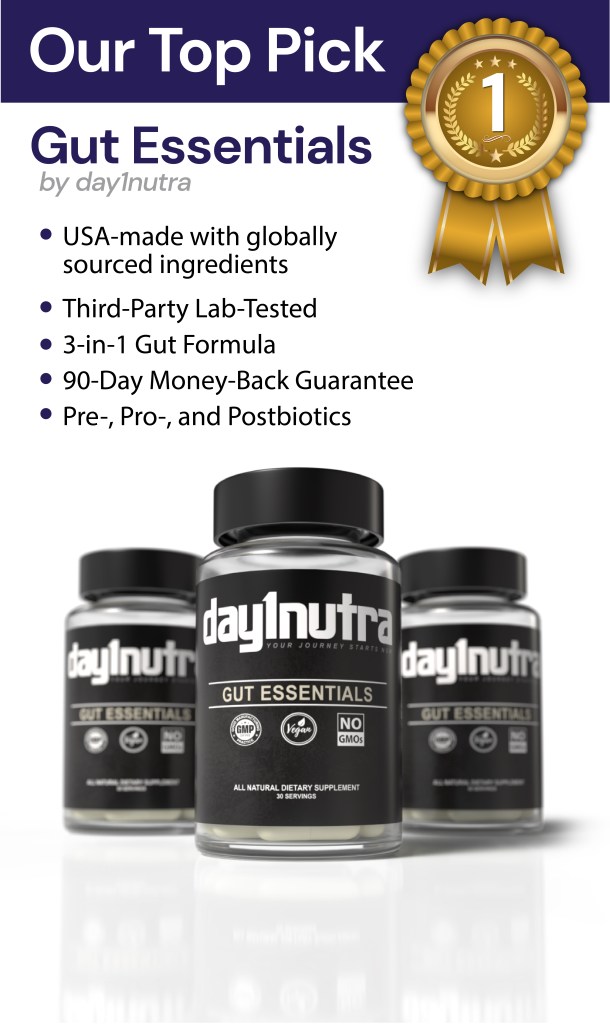
Dive into the exciting world of one of the hottest supplements right now – gut health supplements. Discover the Do’s and Don’ts when choosing gut health supplements as well as the benefits. These supplements support digestion, boost nutrient absorption, and help maintain a balanced microbiome, which plays a crucial role in overall wellness. From probiotics and prebiotics to digestive enzymes, there are a variety of options tailored to different needs. Whether you’re looking to ease bloating, improve regularity, or support immune health, the right supplement can make a big difference. See our top pick this year at the bottom of the page.

Once upon a time, the digestive system was widely viewed as a pretty simple and straightforward system in our body… But if you’ve ever experienced gut-related issues, you already know that can be anything but simple… In fact, getting to the root cause of gut and gut-related symptoms can very quickly become an incredibly frustrating and confusing process.

Bloating and Constipation

Immune Health

Brain fog and mood

It All Starts
In Your Gut

Bloating, constipation, indigestion? Acne or other skin issues? It may be stemming from your gut. Feeling run down and sluggish? It could also be related to your gut. 

Researchers have become increasingly interested in exploring the gut and its role in so many major areas of our health. But it seems like we’re only just beginning to scratch the surface when it comes to truly understanding the immensely complex connection between gut microbiome health and its impact on our overall well-being.

Together with your help, we can lower carbon footprints than ever before & create a better world for us & generations to come.

What Exactly Is Your Gut Microbiome?

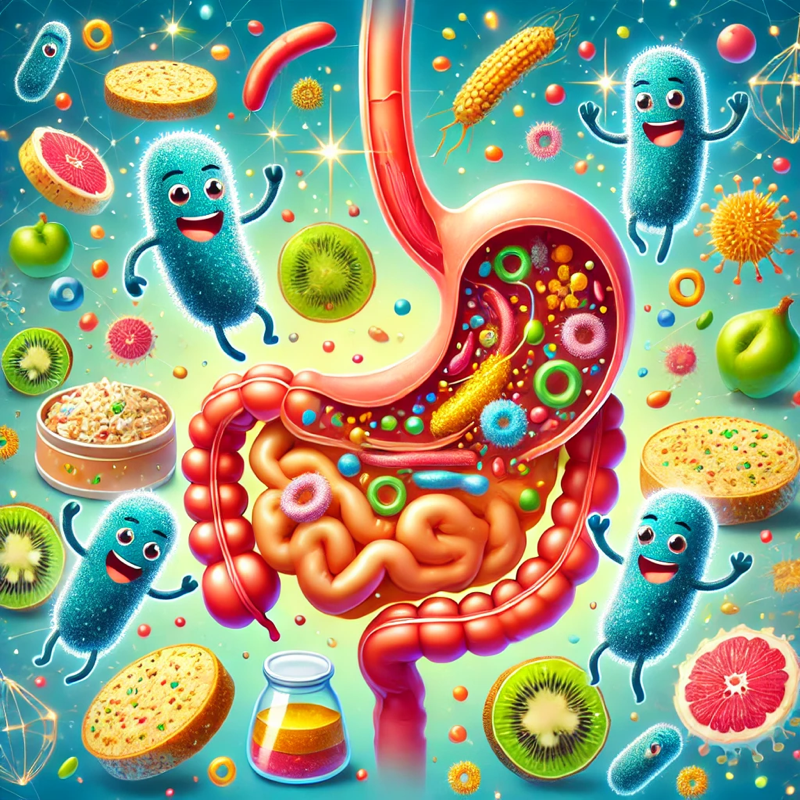
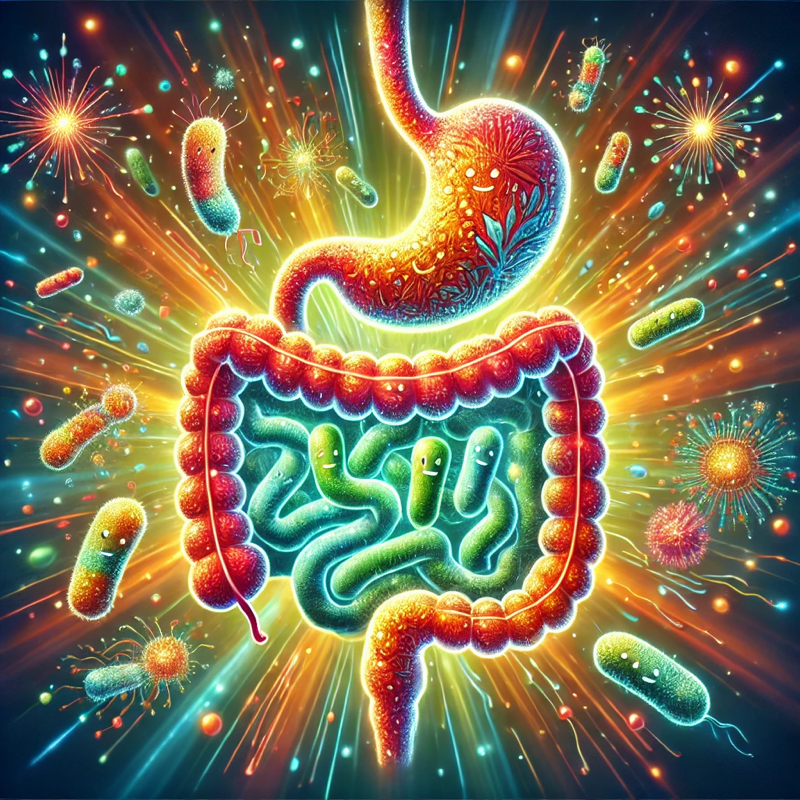
Whenever you see the term “gut microbiome,” it’s referring to all of the microorganisms living within your gut. Some of them may be potentially harmful, so-called “bad” bacteria. On the other hand, some are thought to be beneficial, often called “good” or “friendly” bacteria.

Researchers believe that having optimal gut health typically means having a good balance between the “bad” bacteria and the “good’ bacteria. Ideally, they should co-exist peacefully within the gut.


Helping us digest our food better*

Probiotics help break down complex carbohydrates, fibers, and proteins, making it much easier for the body to absorb essential nutrients. They also produce enzymes and beneficial compounds that support digestion, reduce bloating, and promote a balanced gut environment.

Supporting overall gut health*

Probiotics help maintain a balanced gut microbiome by increasing beneficial bacteria and reducing harmful microbes, which supports overall digestive function. They also strengthen the gut lining, reducing inflammation and enhancing nutrient absorption for better overall gut health.

Promoting a balanced gut bacteria, aka microbiome*

Maintaining a well-balanced gut microbiome is essential for digestion, immune function, and overall well-being. Eating lots of fiber-rich foods, fermented probiotics, and minimizing processed foods and sugar can help support a more diverse and thriving gut bacteria ecosystem.

Probiotics + Prebiotics = Postbiotics

Haven’t heard of postbiotics? You’re most definitely not alone. A fairly new term in the health and wellness world, researchers have recently begun exploring the potential of postbiotics when it comes to supporting the gut.

Postbiotics are what’s created when “good” gut bacteria feeds on prebiotic fibers. In other words, prebiotics + probiotics = postbiotics.

Postbiotics are what’s left at the end, once the “good” bacteria has fed on fiber (prebiotics). They include a number of substances and nutrients such as amino acids, vitamins, as well as short-chain fatty acids

Short-chain fatty acids are a particularly interesting type of postbiotic because they are thought to contribute to supporting gut health. This is because studies suggest that they can help the “friendly” bacteria flourish in the gut. One of the most prevalent of these is called butyrate, which is believed to support both gut and intestinal health.*
Common Ingredients
in Gut Health

  • Probiotics – Probiotics are “good” bacteria and yeasts, thought to benefit the digestive system by helping to maintain gut balance. There are many different strains of probiotics.
  • Prebiotics – Prebiotics are a form of dietary fiber that acts as a source of food for the “good” bacteria in your gut.*
  • Synbiotics  – Synbiotics are a combination of probiotics and prebiotics, their name comes from the fact that they create synergy between probiotics and the specific fiber they need to feed on.*
  • Postbiotics – Postbiotics are the “waste” product of probiotics feeding on prebiotics. They are bioactive compounds like short-chain fatty acids, that are associated with a number of health benefits.*
  • Digestive enzymes – Digestive enzymes play a key role in breaking down the food you eat.*

Comparison Chart